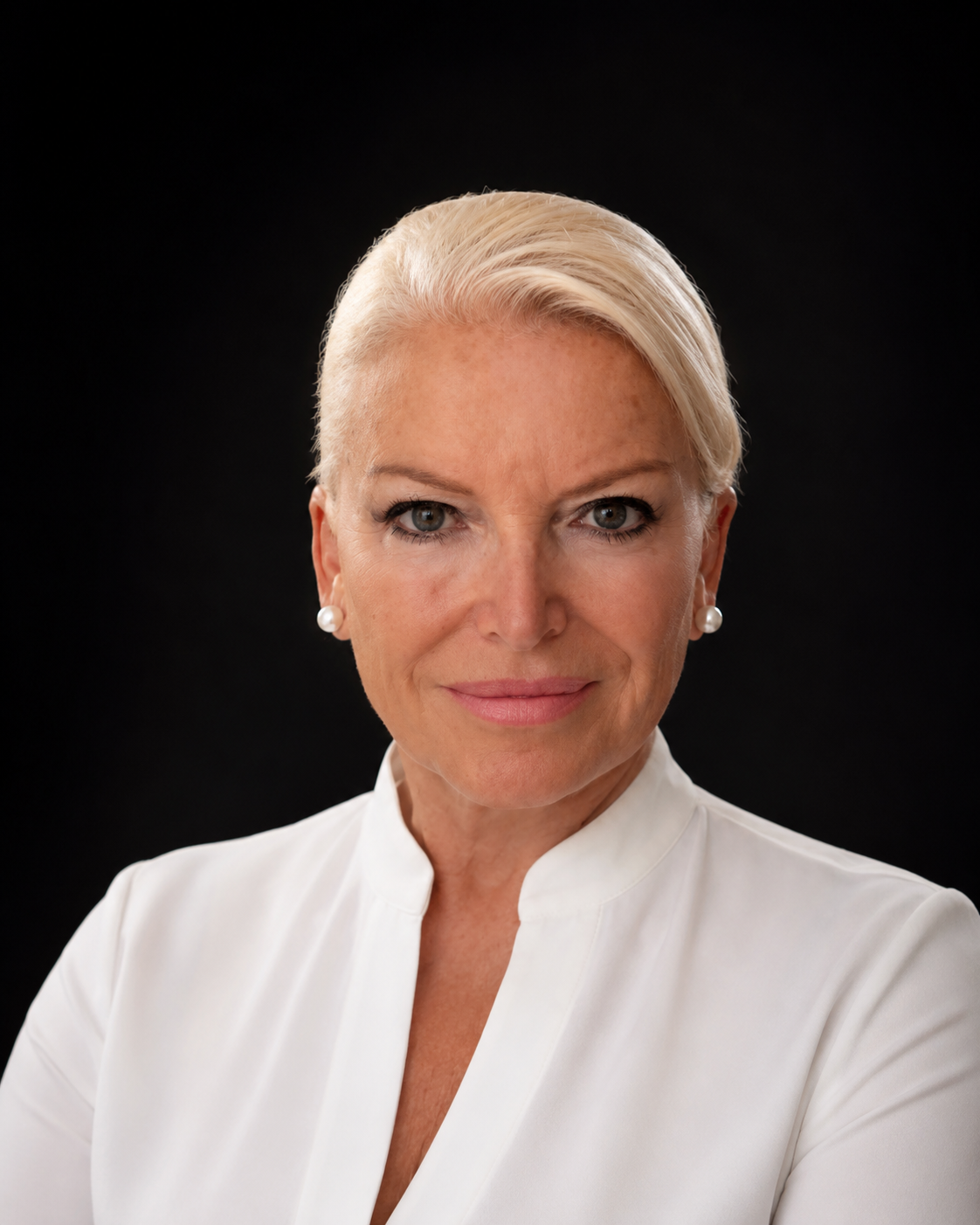
I am a Creator and Executive Author, children's writer and founder of The Michael Sieff Foundation.
My professional life brings together two areas: imaginative storytelling for children, and work to improve policy and practice for vulnerable children and young people.
I created The Boy Who Wouldn't, an illustrated series of rhyming children's stories combining humour, memorable characters and recognisable childhood experiences. My writing spans fiction, non-fiction and poetry, with a particular interest in stories that can be read aloud and shared by children, parents and grandparents.
As Creator and Executive Author, I originate and oversee the stories, characters, themes and creative direction of my work, collaborating with illustrators, editors, designers and publishing professionals from concept to publication.
In 1987, I established The Michael Sieff Foundation to continue the values and interests associated with Michael Sieff's life and work. The Foundation seeks to influence policy and professional practice rather than duplicate services provided by larger organisations.
Its work is guided by a simple principle: children entering welfare, protection or justice systems should first be understood as children, with individual needs, vulnerabilities and potential.
Through conferences, parliamentary inquiries, working groups, policy reports and practical initiatives, the Foundation has brought together professionals from law, government, academia, social care, education, health and the voluntary sector.
A central focus has been recognising vulnerability early, improving communication between public agencies and preventing children from being failed when services work in isolation. In youth justice, the Foundation has supported the principle that young people should be treated as "children first, offenders second," with emphasis on early intervention, trained representation and continuity of support.
The Foundation also established a working group on SEND, neurodivergence and youth justice. Its independent report, Justice for Children with SEND and Neurodivergence, was launched at the House of Commons on 23 April 2025 and called for better identification of children's needs, stronger professional training, improved information sharing and earlier intervention.
Across both my creative and charitable work, the child remains at the centre: not simply as a reader or recipient of support, but as an individual whose feelings, imagination, difficulties and possibilities deserve to be understood.
"The Greatest Reward? A Child's Smile."